

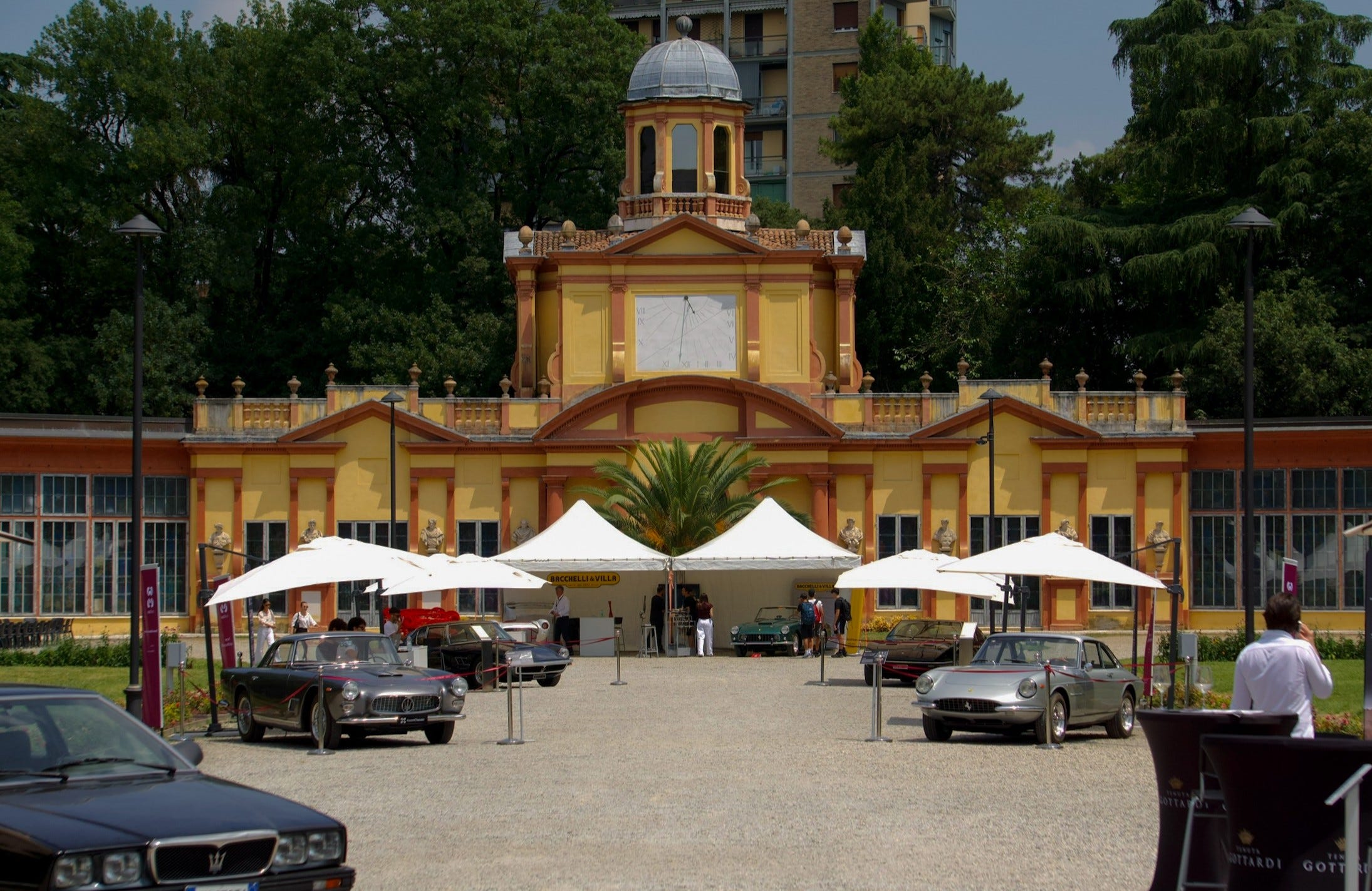
Held annually in Modena, the heart of Italy’s famed "Motor Valley", the Motor Valley Fest is a public celebration of automotive excellence. The event brings together car manufacturers, designers, investors, institutions, and enthusiasts for a four-day program of exhibitions, panels, dynamic displays, and networking. It is a platform where tradition meets technology, with a focus ranging from supercars and motorsport to heritage vehicles and future mobility.
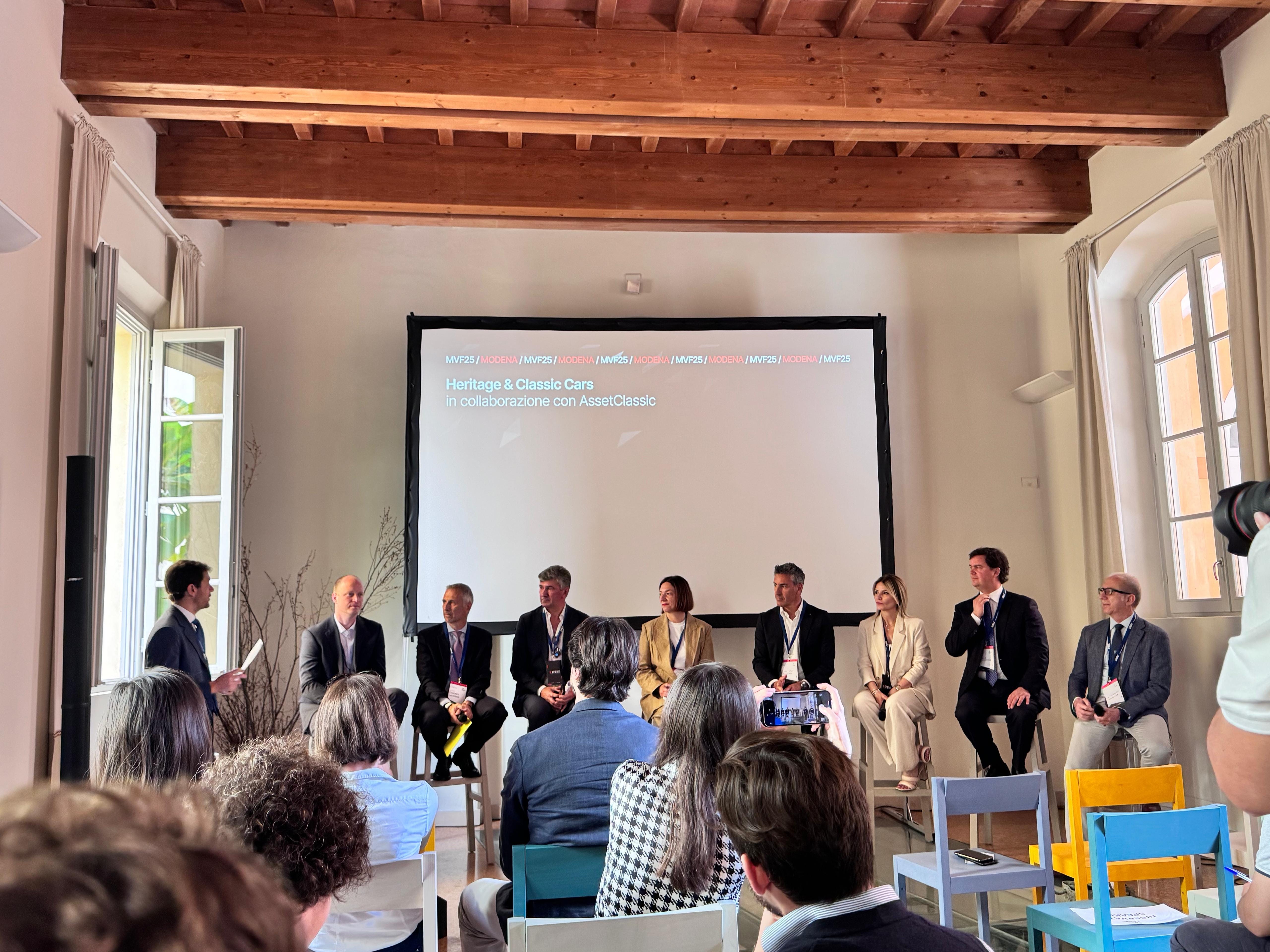
The Classics & Heritage Panel at Motor Valley Fest 2025 brought together executives and decision-makers from leading OEMs, cultural institutions, investment platforms, and restoration specialists. Their discussions reflected a sector in transition, shaped by shifting demographics, evolving consumer expectations, and growing financial interest. A link to the full recording of the Panel discussion is available here.
As the market matures, new challenges and opportunities are emerging around accessibility, authenticity, and long-term value preservation. This article outlines five major themes that surfaced from the discussion:
1. The Classic Car Market Is Deepening and Globalizing
2. Younger Generations Are Engaging with Classics, in their own way
3. Preservation Requires Ecosystem Coordination
4. Financial Structuring Is Enabling Wider Access
5. Long-Term Value Depends on Usage and Public Engagement
1. The Classic Car Market Is Deepening and Globalizing
Michele Bertoncello (Partner, McKinsey & Company) opened the session by presenting highlights from a recent study conducted in collaboration with AssetClassic. The research estimates the high-end collectible car market at over €800 billion in global value, with more than €45 billion in annual transactions. This activity covers trading, brokerage, restoration, certification, insurance, financing, and storage.
Classic cars play a key cultural and industrial role in this ecosystem, yet the opportunity remains underleveraged from a financial and institutional standpoint. While OEMs like Ferrari, Lamborghini, and Maserati have internal heritage programs, much of the broader experiential ecosystem such as events, museums, and specialist services still relies on fragmented, private efforts.
The collector base is also becoming more geographically diverse. Bertoncello noted increased demand from emerging markets and emphasized that younger HNWIs (high-net-worth individuals) are viewing classic cars as alternative stores of value, alongside real estate and art.
2. Younger Generations Are Engaging with Classics, in their own way
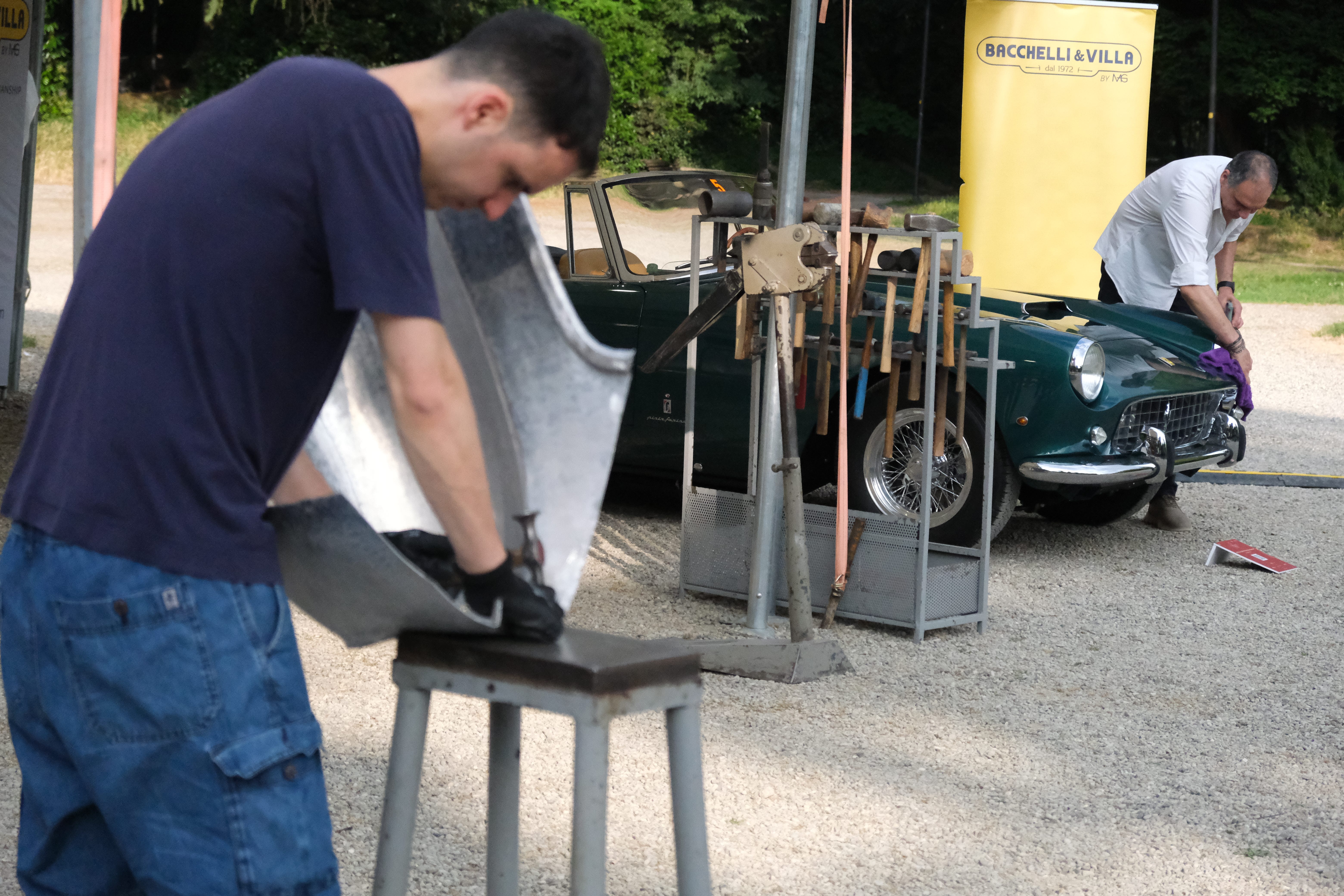
Contrary to the perception of the classic car sector as exclusive or generationally narrow, several panelists pointed to a growing interest among under-40 audiences. Silvia Nicolis (President, Museo Nicolis) and Laura Milani (TikTok) both emphasized the role of content and digital storytelling in driving this shift.
According to Nicolis, younger generations are attracted not just to the vehicles themselves, but to the stories behind them, technological ingenuity, personal legacy, and their role in cultural development. The museum’s model has evolved accordingly, working with platforms and institutions to position automotive heritage as part of a broader narrative around Italian creativity and innovation.
Milani outlined TikTok’s contribution, highlighting that over 50% of its users are now above the age of 25. She emphasized that classic car content performs well on the platform when it aligns with three categories: education (e.g., model histories), storytelling (e.g., restoration processes), and lifestyle (e.g., scenic drives or event coverage). For OEMs and institutions, the implication is clear: communication must adapt to reach new audiences through interest-based, not demographic-based, channels, while adjusting to the language and expectations of different audiences.
3. Preservation Requires Ecosystem Coordination
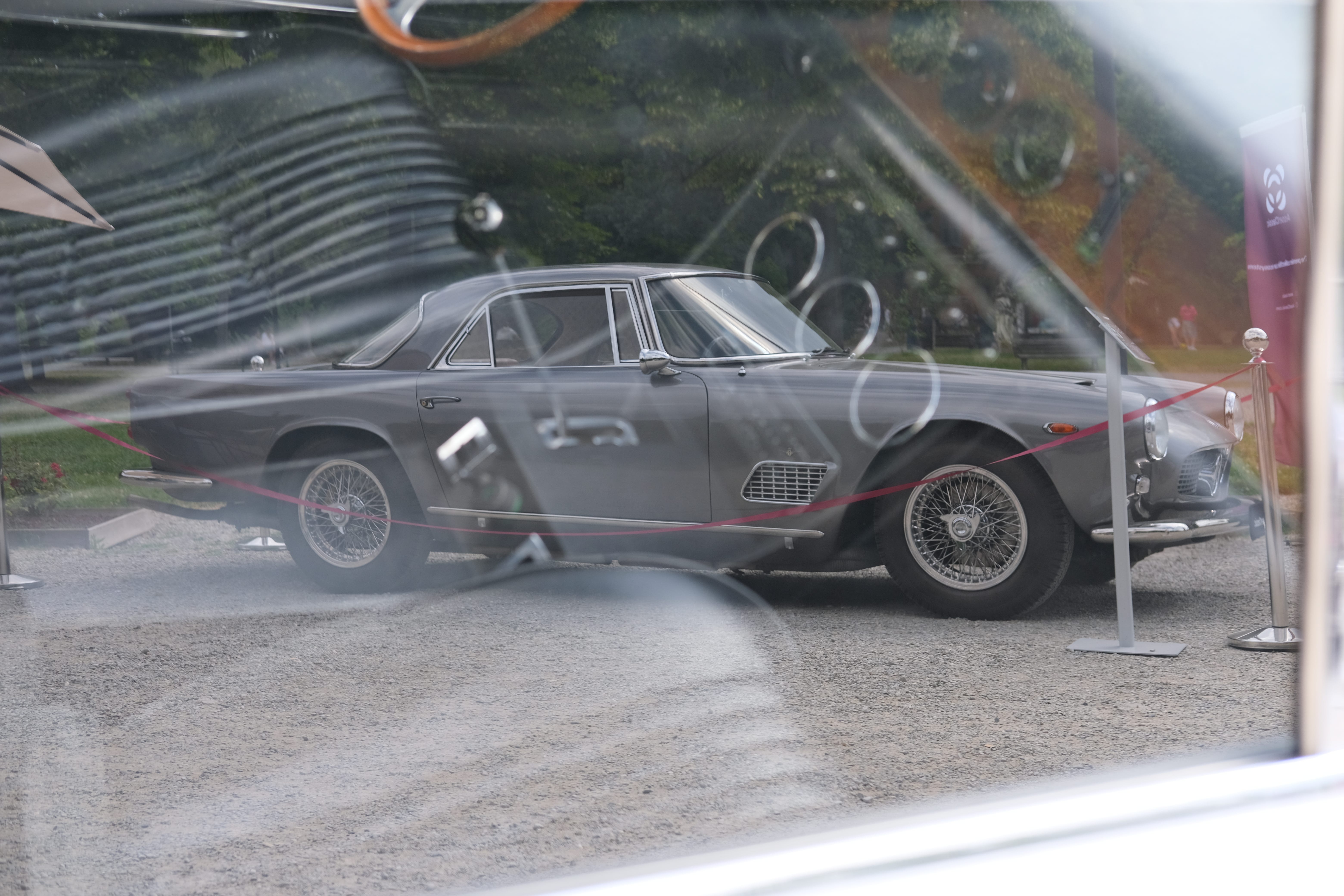
Andrea Modena (Ferrari Classiche), Alessandro Farmeschi (Lamborghini Polo Storico), and Cristiano Bolzoni (Maserati Classiche) each detailed their respective OEM’s efforts to institutionalize heritage management. All three noted the long-term importance of technical documentation, part reproduction, and certifications.
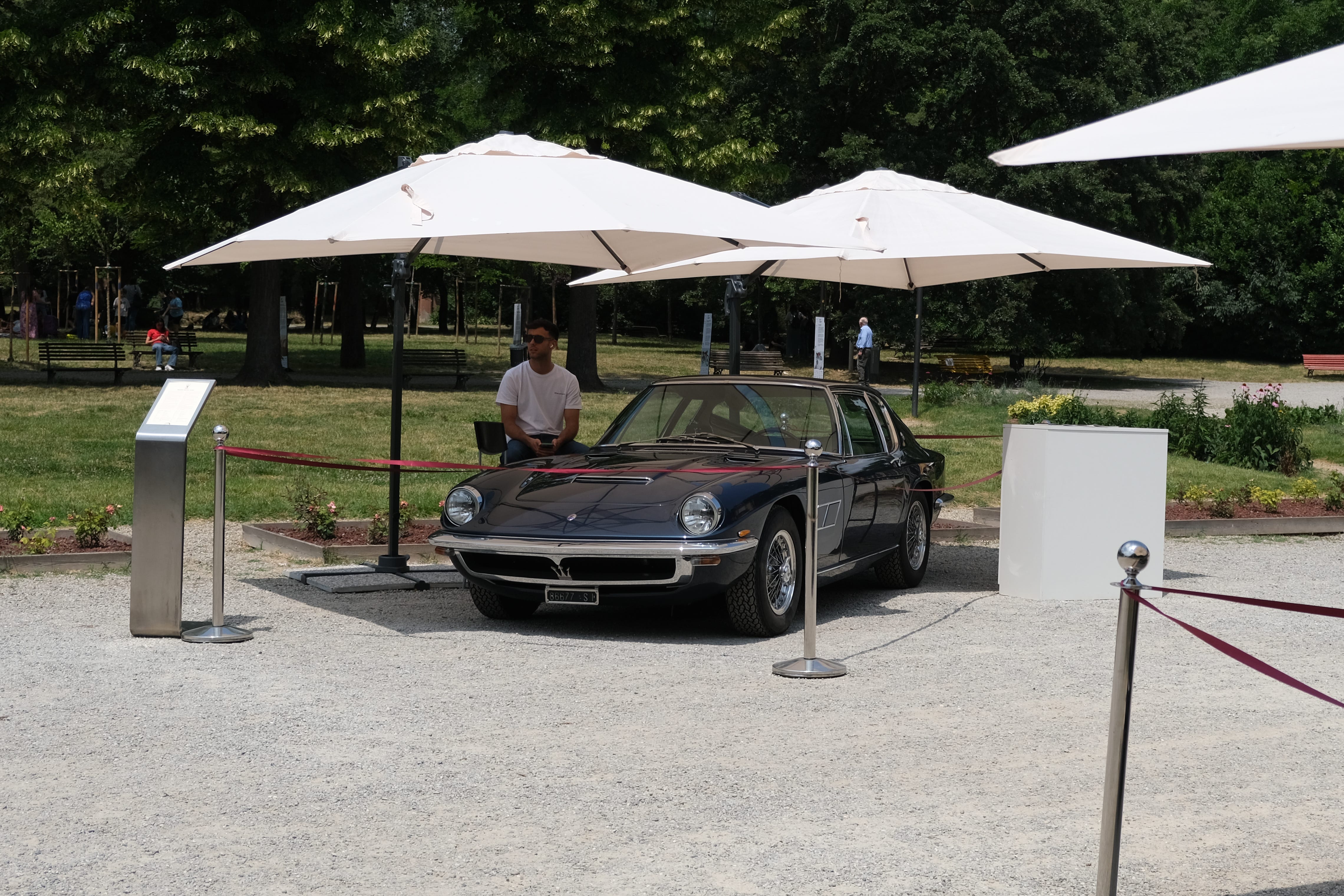
However, the discussion also highlighted limitations. Modena and Bolzoni emphasized how OEMs cannot operate in isolation, as effective heritage preservation requires collaboration with other entities such as independent restorers, archives, museums, and specialized suppliers. Maserati, for example, is working to bring its archive fully online and prioritize the production of unavailable or safety-critical parts. Ferrari Classiche supports a global network of authorized partners and increasingly co-develops documentation with external institutions.
Farmeschi noted that knowledge codification and retention is becoming a critical issue. As technicians all around the world are aging and fewer talents are entering the business, the risk is not only technical obsolescence but the loss of critical expertise. In this sense, OEMs will have to accelerate their investments in digitalization and training programs to ensure continuity.
4. Financial Structuring Is Enabling Wider Access
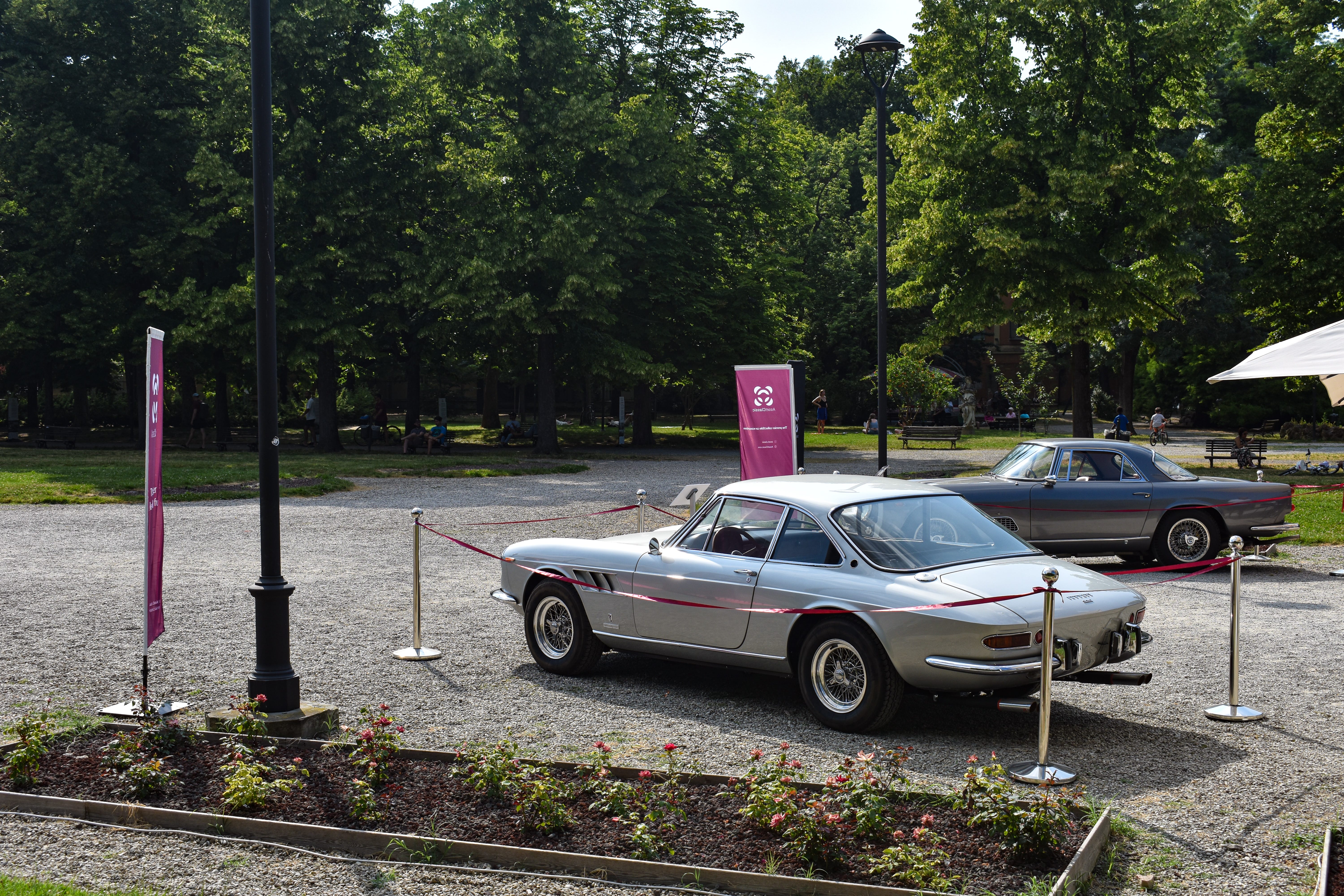
Camillo Mekacher Vogel (Founder, AssetClassic) outlined the rationale behind building a structured investment platform for classic cars. AssetClassic’s model combines direct ownership with professional financial oversight, enabling a broader range of investors to participate in the asset class.
He emphasized the importance of developing an approach that balances emotional connection with institutional discipline. “This is capital, but it’s also culture,” Mekacher Vogel noted. “It requires people who can understand something like vintage Ferrari engine codes, and also calculate IRR and risk-adjusted returns.”
Financing is another area of growth. According to the McKinsey study referenced earlier, over 50% of collectors across all value segments use financing to manage liquidity or co-invest. Yet few OEMs or banks offer tailored lending products. As professionalization of the sector increases, mechanisms like fractional ownership, secured loans, and managed portfolios are likely to expand.
5. Long-Term Value Depends on Usage and Public Engagement
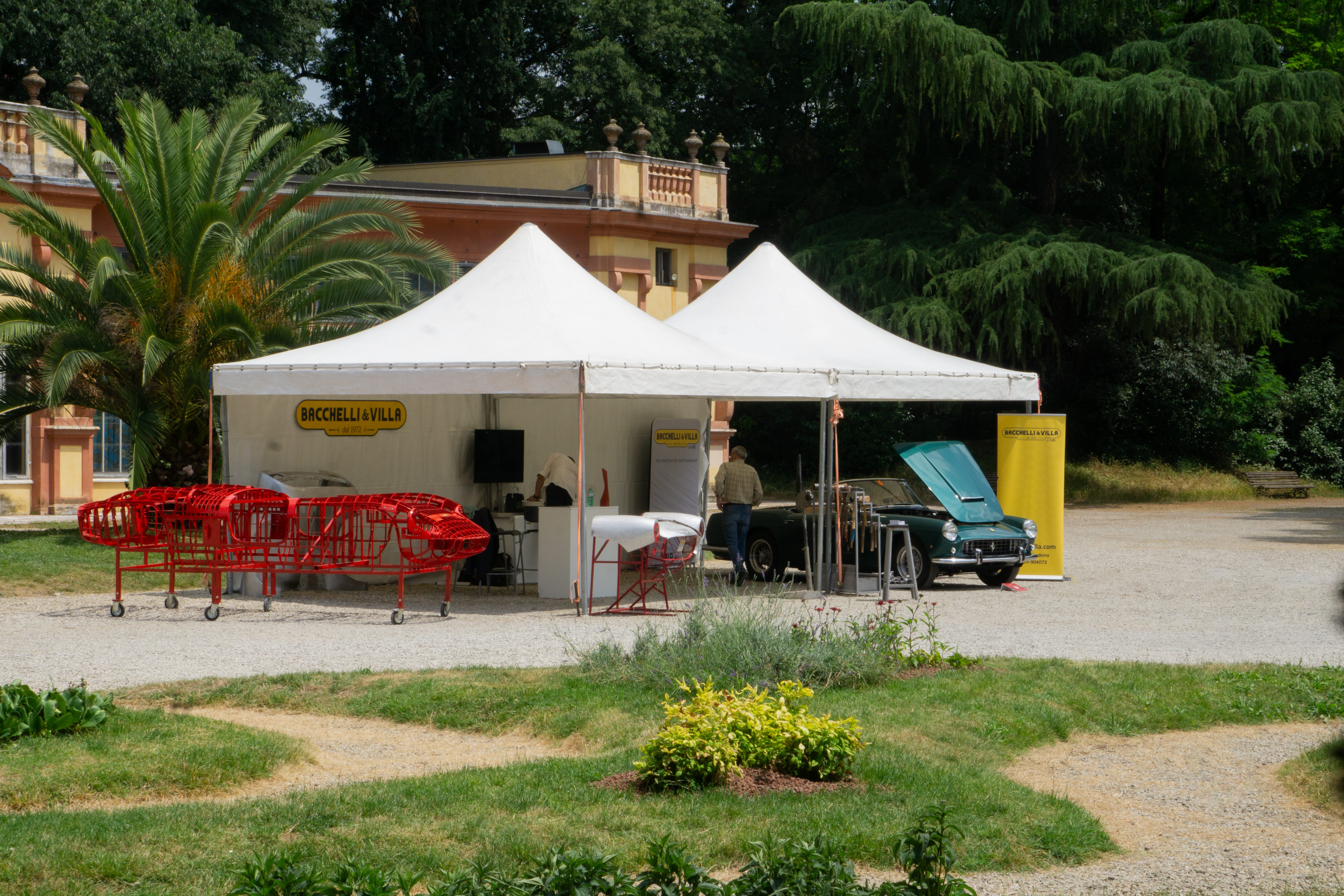
Several panelists pointed to the need for classic cars to remain in motion, on roads, at events, and in cultural venues. Andrea Donati (Bacchelli & Villa) and Sam Medcraft (Goodwood Motor Circuit) both argued that public engagement is essential for long-term value creation. Donati noted that restoration is most meaningful when it returns a car to use, and not just to display.
Medcraft offered the example of Goodwood Revival, which has successfully built a global audience by integrating cars into immersive public experiences. He stressed that authenticity and user participation are key to sustaining interest across generations.
Meanwhile, Silvia Nicolis and Andrea Modena emphasized that museums and private collections must shift from passive curation to active programming by connecting with content creators, public stakeholders, and work with educational institutions to actively target the younger generation.
6. Conclusion
The classic and heritage car sector continues to mature, driven by rising asset values, demographic shifts, and growing professionalization. At the same time, the industry faces key challenges around accessibility, knowledge transfer, and coordination.
The Motor Valley Fest 2025 panelists agreed in conclusion that progress for the sector will primarily depend on the industry’s ability to deal with four challenges:
Reinforcing industrial capabilities (e.g., around restorations) and talents attraction
Increasing the availability of financial tools for collectors and professionals
Fostering cultural engagement leveraging classic cars as “anchor passion” for car enthusiasts and for the broader luxury ecosystem
Setting long-term strategies that build on authentic Heritage to reinforce stronger brands.